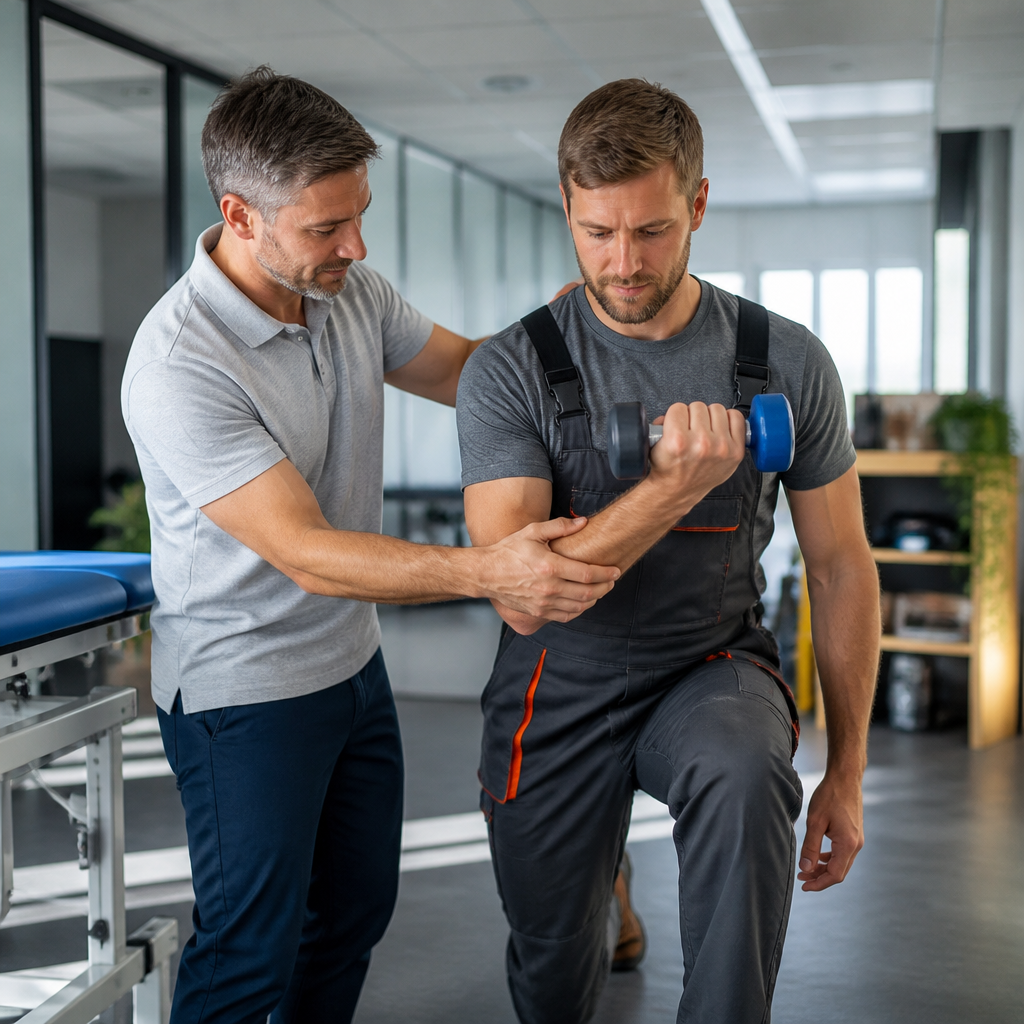
Workplace injuries disrupt more than physical health. They interrupt income, career progression, and professional confidence. Whether the injury stems from a single incident or repetitive strain, the path back to work depends on structured rehabilitation that addresses both functional capacity and the psychological readiness to return to demanding roles.
Understanding how physical rehabilitation integrates with employment decisions helps injured workers, employers, and healthcare providers coordinate a return that protects long-term health without sacrificing livelihood.
The Employment Impact of Delayed Recovery
Extended absence from work creates compounding challenges. Employers face productivity gaps, and workers confront reduced income, strained relationships with supervisors, and the erosion of job-specific skills. In competitive industries, prolonged medical leave can mean lost opportunities for advancement or even position elimination during restructuring.
Early intervention matters. Studies in occupational health consistently show that workers who begin rehabilitation within the first few weeks of injury return to work faster and report better outcomes than those who delay treatment. The window for effective intervention narrows as soft tissue injuries become chronic and as workers psychologically disengage from their professional roles.
What Effective Rehabilitation Addresses
Rehabilitation programmes tailored to workplace injuries focus on job-specific functional tasks rather than generic exercises. A warehouse worker needs different movement patterns than an office administrator, and a nurse requires different stamina conditioning than a construction labourer.
Functional Capacity Evaluation
Therapists assess the physical demands of a patient’s actual job: lifting thresholds, repetitive motion tolerance, sustained postures, and environmental stressors like temperature or noise. This evaluation identifies gaps between current ability and job requirements, providing measurable benchmarks for progress.
Work Conditioning and Work Hardening
Work conditioning rebuilds general strength, endurance, and flexibility. Work hardening goes further, simulating actual job tasks in a controlled clinical setting. A patient recovering from a shoulder injury might practice overhead reaching with progressive weight loading, while someone with a back injury rehearses safe lifting mechanics under supervision.
Pain Management Without Dependence
Chronic pain complicates return-to-work decisions. Rehabilitation programmes incorporate manual therapy, movement retraining, and education on activity pacing to reduce reliance on medication. Workers learn to distinguish between pain that signals re-injury and discomfort associated with rebuilding tissue tolerance.
Professional Rehabilitation Services in Specialised Settings
Access to comprehensive care makes a measurable difference in recovery trajectories. Multi-specialty facilities that coordinate rehabilitation with diagnostic imaging, orthopaedic consultation, and occupational medicine provide continuity that fragmented care cannot match. For workers in regions with advanced healthcare infrastructure, such as those seeking physical therapy near me in Abu Dhabi, coordinated treatment plans that involve surgical specialists, neurologists, and behavioural health professionals address complex cases where injury intersects with pre-existing conditions or psychological factors. This integrated approach reduces delays caused by referral gaps and ensures that rehabilitation protocols align with medical recommendations across all treating providers.
Coordinating Rehabilitation With Employment Obligations
Returning to work too early risks re-injury. Waiting too long jeopardises job security. Successful rehabilitation programmes involve employers in the planning process, negotiating phased returns, modified duties, or temporary accommodations that allow workers to maintain employment while completing treatment.
When evaluating job offers or negotiating return-to-work terms, understanding contractual protections becomes essential. Workers should verify whether contracts include clauses addressing medical leave, light duty assignments, or termination during recovery periods. Knowing what to check before signing a job contract helps protect both health and employment rights during vulnerable recovery phases.
Graduated Return-to-Work Protocols
Effective programmes start with reduced hours or modified tasks, gradually increasing demands as functional capacity improves. A delivery driver might begin with local routes before resuming long-haul assignments. An assembly line worker might rotate through less repetitive stations before returning to full production duties.
Workplace Ergonomic Assessment
Therapists sometimes conduct on-site evaluations, identifying environmental modifications that reduce re-injury risk: adjustable workstations, assistive devices, or process changes that eliminate high-risk movements. Employers benefit from reduced workers’ compensation costs and improved productivity.
The Role of Multidisciplinary Care in Complex Cases
Some workplace injuries involve multiple body systems or psychological trauma. A fall from height might cause fractures, soft tissue damage, and post-traumatic stress. A repetitive strain injury might reveal underlying rheumatologic conditions that went undiagnosed until occupational demands triggered symptoms.
In such cases, rehabilitation alone proves insufficient. Coordinated care involving orthopaedic surgeons, pain specialists, psychiatrists, and occupational therapists produces better outcomes than isolated treatment. International medical conferences, such as gatherings of emergency medicine professionals in the UAE, facilitate knowledge exchange on trauma management protocols that integrate physical rehabilitation with acute care and long-term follow-up strategies.
Measuring Rehabilitation Success Beyond Symptom Resolution
Traditional metrics focus on pain reduction and range of motion. Employment-focused rehabilitation tracks additional outcomes: days to return to work, ability to perform essential job functions, and sustained employment at six and twelve months post-injury.
Functional outcomes matter more than anatomical perfection. A construction worker with residual stiffness who returns to full duty with adaptive techniques has a successful outcome. A surgeon with minor grip weakness who cannot perform microsurgery does not, even if clinical measurements show improvement.
Preventing Secondary Complications During Recovery
Prolonged inactivity during rehabilitation carries risks: deconditioning, weight gain, cardiovascular decline, and depression. Structured programmes keep patients moving within safe parameters, maintaining overall fitness while injured tissues heal.
Psychosocial support addresses the anxiety and frustration that accompany career disruption. Workers fear permanent disability, financial instability, and professional obsolescence. Counselling integrated with physical rehabilitation improves adherence to treatment plans and reduces the likelihood of chronic pain syndromes developing from undertreated psychological factors.
Long-Term Career Considerations After Workplace Injury
Not all workers return to their original roles. Some injuries necessitate career changes, retraining, or permanent restrictions. Rehabilitation teams work with vocational counsellors to identify transferable skills and alternative employment paths when return to previous work proves impractical.
Early honest assessment prevents false hope and wasted effort. If diagnostic imaging and functional testing reveal permanent limitations incompatible with physically demanding work, redirecting rehabilitation goals toward alternative careers serves the patient better than prolonged attempts at an unattainable return.
Workplace injuries challenge both body and career, but structured rehabilitation supported by multidisciplinary expertise creates realistic paths back to productive employment. Success requires coordination among medical providers, employers, and patients willing to engage fully with demanding treatment protocols. The investment pays returns in restored function, financial stability, and the psychological benefits of returning to meaningful work.
