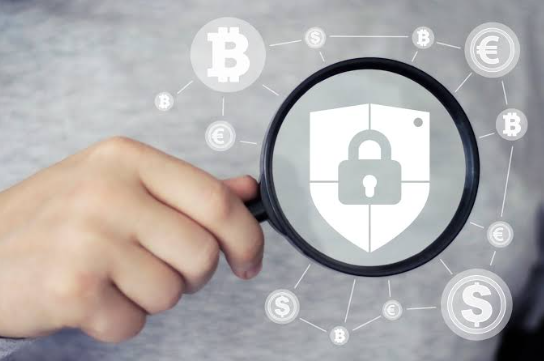
Protecting against crypto fraud demands cautious vigilance and disciplined steps. Skepticism guards margins: ignore unsolicited offers, verify sender legitimacy, and examine every link for phishing or pump‑and‑dump cues. Due diligence matters before any counterparty or platform is engaged. Secure habits matter most: strong passwords, device hardening, and regular updates reduce risk. A fraud‑resilient routine, clear roles, and rehearsed responses place autonomy on the line—and the stakes are real enough to insist on a careful path forward.
Recognize Common Crypto Scams and Red Flags
Crypto scams in the crypto space follow predictable patterns that prey on urgency, emotion, and uncertainty. The detachment of analysis reveals common schemes: unsolicited offers, hollow promises, and fake endorsements.
Recognize phishing attempts through scrutiny of links and sender legitimacy.
Detect pump and dump schemes by monitoring suspicious price spikes, trading halts, and misinformation across platforms, wallets, and communities.
Vigilance sustains freedom.
See also: heelnews
Verify Counterparties and Platforms Before You Invest
Before investing, investors should rigorously verify the credibility of counterparties and the platforms they use, because reliable exchanges and verified entities reduce exposure to fraud and deceptive practices.
The analysis emphasizes verify sources and assess risk prior to commitments.
A disciplined approach requests independent due diligence, cross-referencing licenses, review histories, and regulatory status, while avoiding hype, ensuring sustained autonomy and informed risk management.
Protect Your Assets With Best-Practice Security Habits
As investors move from evaluating counterparties and platforms to safeguarding assets, adopting best-practice security habits becomes the immediate next defense.
The approach centers on disciplined password hygiene and deliberate device hardening, ensuring access remains controlled and auditable.
Prioritizing secure configurations, regular updates, and minimal exposure reduces risk, while preserving autonomy and freedom to operate across diverse, trusted environments.
Build a Fraud-Resilient Crypto Routine and Response Plan
A fraud-resilient crypto routine hinges on disciplined planning and rapid, well-rehearsed response. Organizations should codify foolproof steps for monitoring, authorization, and credential hygiene, then practice them under pressure. Fraud resilient routines reduce panic and errors, enabling swift containment and recovery. Clear roles, continuous audits, and post-incident reviews reinforce vigilance. Effective response planning preserves autonomy and freedom while minimizing loss and exposure.
Frequently Asked Questions
How Do I File a Crypto Fraud Report With Authorities?
To file a crypto fraud report with authorities, one should contact local police or financial regulators, preserve records, and submit evidence consistently. The process respects privacy policy disclosures and user verification steps, ensuring cautious, strategic steps toward accountability and personal freedom.
Can I Recover Lost Crypto From Scams or Hacks?
Recovering assets remains challenging; recovery hinges on timeliness and technical rigor. He notes cautious pathways, pursuing evidence and legal avenues. Look for scam indicators, report promptly, and pursue professional guidance to maximize chances of recovering assets.
What Records Should I Keep for Fraud Investigations?
The records should be kept to preserve records preservation and establish an unbroken evidence chain, enabling precise inquiry. This cautious, strategic approach supports an audience seeking freedom, ensuring investigators have verifiable documentation and a robust, tamper‑evident trail.
Are There Insurance Options for Crypto Assets?
Insurance options exist for crypto assets, though terms vary. Custody solutions offer protective layers, but buyers must assess coverage scope, exclusions, and limits. The approach remains precise and cautious, aligning risk management with an ethos of calculated, freedom-driven autonomy.
How Do Tax Implications Affect Crypto Fraud Recoveries?
In crypto fraud recoveries, tax consequences often reduce clawback potential, shaping strategies; most cases progress slowly, with recovery timelines spanning months to years. Approximately 60% of recoveries involve taxable implications, underscoring cautious, freedom-seeking decision-making.
Conclusion
In summary, vigilant due diligence and disciplined security practices form the backbone of safe crypto engagement. By recognizing scams, independently verifying counterparties, and maintaining robust asset protection, investors cut exposure to fraud and reduce losses. A prepared routine—clear roles, rehearsed responses, and controlled decision-making—enables steady, autonomous action when threats arise. In crypto, risks can multiply quickly; staying cautious keeps one’s steps measured, with safeguards in place to weather the market’s storms. Better to tread carefully than chase every shiny lure. Focused discipline pays off.